


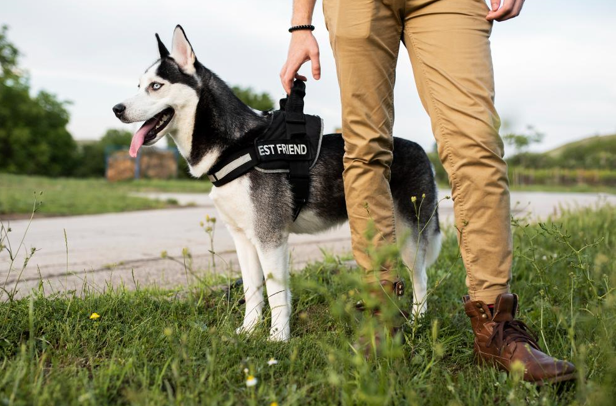
Service dogs are more than companions; they are lifelines for individuals with disabilities, offering them a unique form of support that fosters greater autonomy and self-sufficiency. These trained canines play a crucial role in enhancing the quality of life for their handlers by performing a variety of tasks that promote independence. From assisting those with physical impairments to providing emotional support, the presence of a service dog can transform everyday challenges into manageable tasks, enabling individuals to navigate the world with confidence.
Sensory Support for Autism
Service dogs specifically trained to support individuals on the autism spectrum provide a vital sensory buffer to the overwhelming stimuli of the world. By offering consistent tactile stimulation and presence, these dogs can help mitigate the anxiety and sensory overload often experienced by autistic individuals. The calming effect they have can significantly enhance an individual’s ability to perform daily activities independently and confidently.
Emotional Support for Mental Health
For those facing mental health challenges, service dogs are more than mere pets; they are a source of constant emotional support. These dogs are trained to detect signs of distress or anxiety in their handlers and respond with comforting actions that alleviate emotional burdens. This support is instrumental in helping individuals maintain an independent lifestyle, manage their mental health conditions, and engage in social activities with greater ease.
Medical Alert Assistance
Service dogs possess the remarkable ability to detect and alert their handlers to potential medical issues such as drops in blood sugar, oncoming seizures, or even changes in heart rate. This early detection allows individuals with conditions like diabetes, epilepsy, or heart issues to take necessary precautions or seek assistance. Such proactive care enables a safer, more independent life for those with significant medical needs.
Mobility Assistance
Mobility-impaired individuals benefit immensely from the physical support provided by service dogs. These dogs are trained to offer stability and support while walking, climbing stairs, or navigating uneven terrain. By lending their strength and guidance, service dogs help their handlers maintain balance and mobility, thus expanding their ability to perform daily tasks independently and safely.
Travel Assistance
Traveling with a service dog significantly enhances the travel experience for individuals with disabilities by providing crucial emotional support and practical assistance. Ensuring that your service dog’s health records are readily accessible on all your devices is key. PDFs are particularly advantageous as they allow for easy viewing, sharing, and editing across various platforms. You can use a tool to convert to PDF files, effortlessly transforming other file types by dragging and dropping them into the tool, keeping critical information accessible during your travels.
Hearing Assistance
For individuals with hearing impairments, service dogs act as an auditory bridge to the world. These dogs are trained to alert their handlers to crucial sounds such as alarms, doorbells, or cries for help, which might otherwise go unnoticed. This heightened awareness allows people with hearing disabilities to react promptly to their environment, thereby enhancing their safety and independence at home and in public settings.
Guidance for Visual Impairments
Service dogs trained as guides for visually impaired individuals play an essential role in navigating daily obstacles. From avoiding street hazards to finding doorways, these dogs provide the necessary guidance to traverse both familiar and unfamiliar spaces safely. The independence gained through such guidance allows visually impaired individuals to engage more fully in their personal and professional lives.
Ensuring Service Dog Welfare
Securing comprehensive insurance for a service dog is vital to maintaining their health and ensuring they can continue to provide essential assistance. When selecting an insurance policy, it’s important to assess the different types of coverage available, including options for routine wellness, accident-only protection, or comprehensive accident and illness coverage. This choice will help ensure that your service dog can receive the necessary care in any situation, contributing to their overall well-being and readiness to assist.
Service dogs significantly enhance the independence of people with disabilities by offering various supports tailored to specific needs. Whether through emotional comfort, physical assistance, or medical alerts, these dogs provide a critical service that enriches the lives of their handlers. Recognizing and supporting the vital roles these dogs play is essential for fostering an inclusive society where everyone has the opportunity to live independently.